
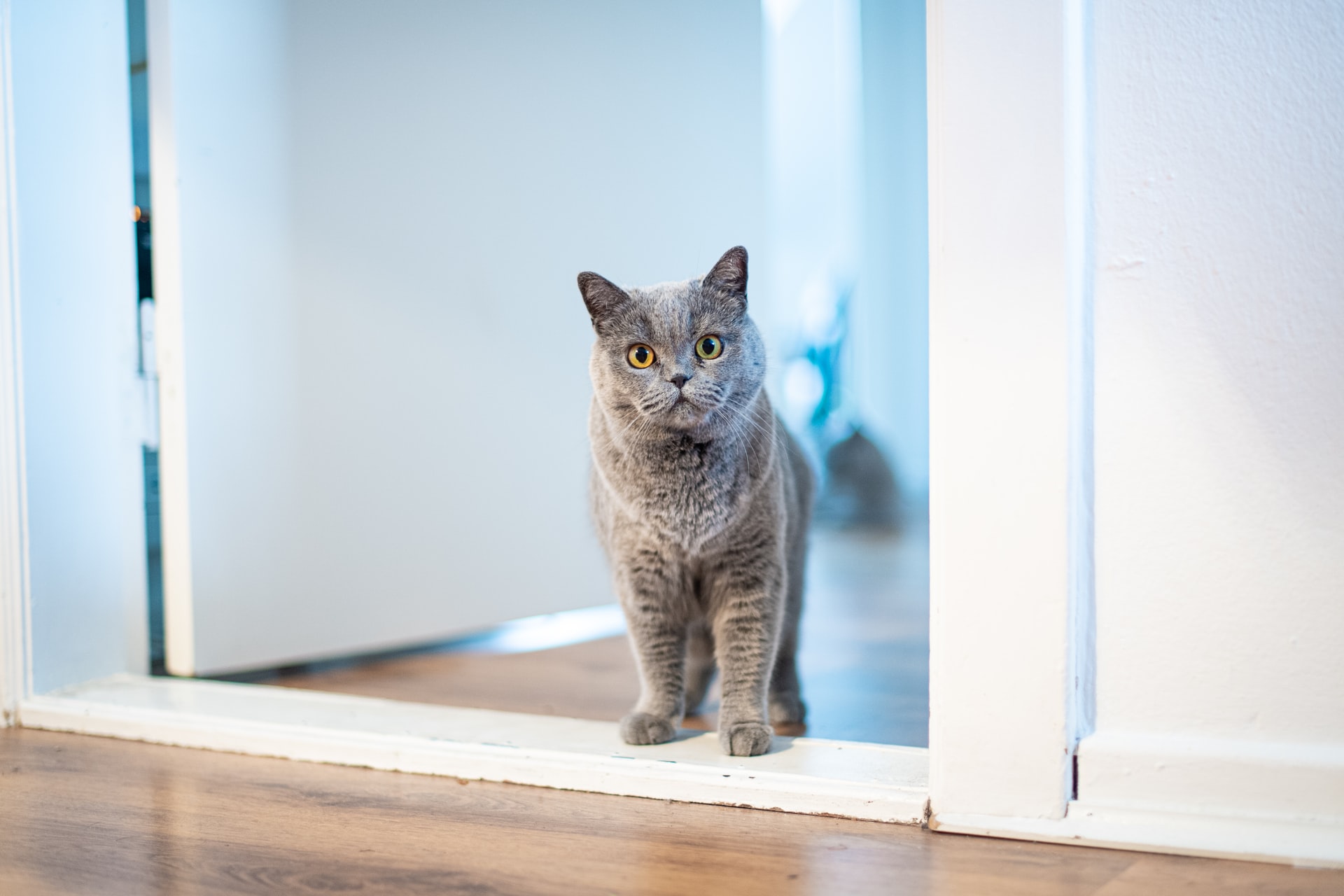
A Calmer Ride Makes for a Better Vet Visit
For many cats and small dogs, the trip to the clinic is the hardest part of the visit. A secure, familiar carrier keeps your pet safe in the car and helps them arrive relaxed. At Pleasant Valley Pet Clinic in Placerville, CA, we put together these carrier tips so every trip is easier for you and your pet.
Request an AppointmentChoosing the Right Carrier
The best carrier is one your pet can use comfortably and one that keeps them secure the whole way to our clinic. When you shop, look for these features:
- A sturdy, hard-sided design that will not collapse if it is bumped or jostled
- A top-opening door or a lid that comes off, so your pet can be lifted out gently without being pulled through a small opening
- Enough room for your pet to stand up, turn around, and lie down
- Good ventilation on several sides
- Secure latches and a handle that holds your pet’s full weight
Helping Your Pet Get Used to the Carrier
Pets that only see the carrier before a vet visit often learn to dread it. A little preparation at home can change that.
- Leave the carrier out in a living area all the time, with the door open, so it becomes a normal part of the home.
- Place a soft blanket or a piece of your clothing inside so it smells familiar.
- Toss in treats or a favorite toy, and feed meals near or inside the carrier if your pet is nervous.
- Praise your pet for exploring it, and never force them in.
- Once they are comfortable, close the door for a few seconds at a time, then take short practice trips around the house or to the car.
Traveling Safely on Appointment Day
A few simple habits make the drive safer and quieter.
- Secure the carrier on the back seat with a seat belt, or wedge it on the floor so it cannot slide or tip.
- Never let a cat or small dog ride loose in the car, and avoid placing the carrier in the front seat near an airbag.
- Drape a light towel over the carrier to reduce stress from sights outside.
- Drive smoothly, keep the radio low, and keep the car at a comfortable temperature.
- Carry the carrier level and keep it close to your body as you walk in, so it does not swing.
At the Clinic
Keep your pet in the carrier in the lobby until it is time for the exam. This protects them from unfamiliar animals and keeps everyone safer. If your pet is anxious, let our team know when you check in so we can plan a gentle, low-stress visit. You can learn more about what to expect on our exams and consultations page. If you are planning a longer journey, our tips for traveling with pets can help you prepare.
Pet Carrier Questions We Hear Often
What kind of carrier is best for a cat?
Most cats do best in a sturdy, hard-sided carrier with a top-opening door or a removable lid. This lets us examine your cat comfortably, often without removing them from the carrier at all. Make sure it is well ventilated and large enough for your cat to stand and turn around.
Do dogs need carriers too?
Small dogs should travel in a secure carrier, and larger dogs should be restrained with a crash-tested harness or a properly sized crate. A restrained dog is safer in the car and less likely to be distracted or injured in a sudden stop.
How do I get my cat into the carrier without a struggle?
Keep the carrier out at home all year so it feels familiar, and add soft bedding and treats. On appointment day, gently place your cat in from the top or turn the carrier so the door faces up. Stay calm, move slowly, and never chase your cat around the house.
What if my pet gets stressed or carsick on the drive?
Covering the carrier with a light towel, driving smoothly, and keeping the car comfortable can help. Practice short trips beforehand so your pet learns that the car does not always mean the vet. If stress or motion sickness is a regular problem, tell our team and we can talk through options at your visit.
Should I feed my pet before a trip in the carrier?
Many pets travel better with a light meal or none right before the drive, especially if they are prone to nausea. Ask our team if your pet has special feeding needs, such as a medical condition that requires regular meals.
Can I let my pet out of the carrier in the waiting room?
We ask that pets stay in their carriers or on a short leash in the lobby. This keeps your pet from becoming overwhelmed by other animals and helps prevent accidents or escapes.
How often should I clean my pet’s carrier?
Wipe it out after every trip, and wash the bedding regularly. If your pet has an accident, clean the carrier thoroughly with a pet-safe cleaner so lingering odors do not make the carrier unpleasant for next time.
Ready for a Stress-Free Visit?
Bring your pet in their carrier and let our team take it from there. Call us at (530) 644-2424 or schedule online to book your pet’s next visit with us in Placerville.