
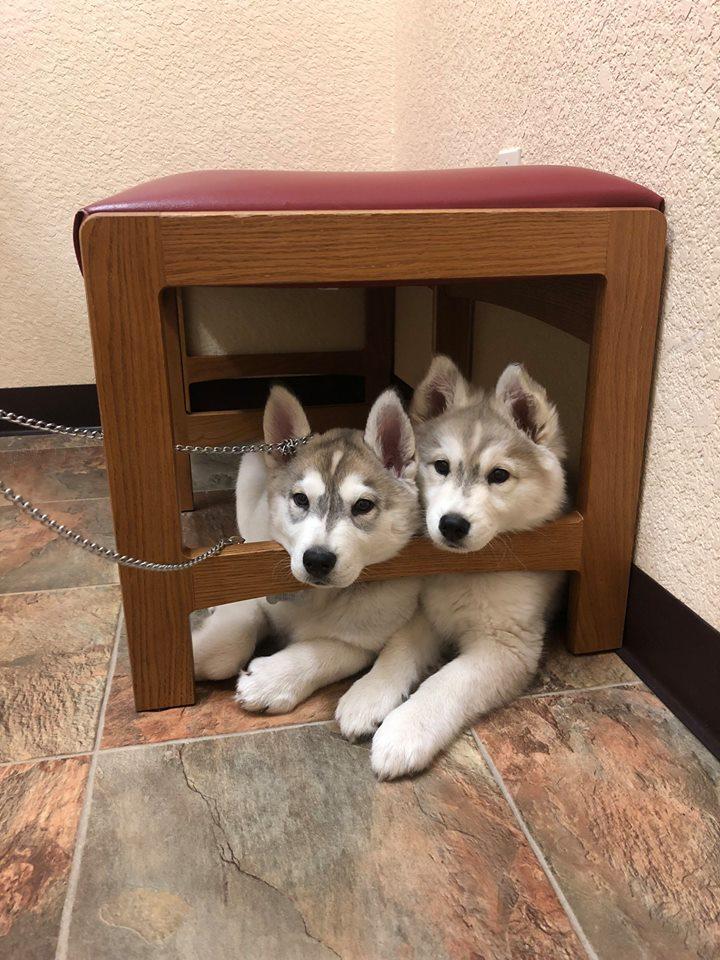
Be ready to protect your pets before disaster strikes
When a wildfire, flood, or other emergency forces you to leave home, every minute counts. At Pleasant Valley Pet Clinic, we help pet owners in Placerville, CA and nearby foothill communities build an evacuation plan ahead of time, so dogs, cats, horses, and other animals are safe and accounted for. Use the guides and checklists below, then call (530) 644-2424 if you have questions about getting your pet ready.
Request an AppointmentDisaster preparedness guides for pet owners
These three guides walk you through planning, recovery, and special considerations for horses. Download them, print a copy, and keep one where your family can find it quickly.
What to put in your pet evacuation kit
Keep a go-bag packed and stored somewhere easy to grab. A good kit includes:
- At least a week of food and bottled water, plus bowls
- A two-week supply of any medications, with dosing instructions
- Copies of vaccination records and medical history
- A sturdy carrier or crate for each cat and small pet, and a leash and harness for each dog
- Recent photos of you with your pet to help prove ownership
- Litter, waste bags, a blanket, and a favorite toy
- A basic pet first aid kit
Plan ahead before you need to leave
- Identify pet-friendly hotels, boarding facilities, or friends and relatives outside your area who can take your animals.
- Make sure every pet wears a collar with current ID tags, and ask us about microchipping so your pet can be identified if tags are lost.
- Keep vaccinations current, since many shelters and boarding facilities require proof of them.
- Practice loading your pets into carriers or trailers so it is calmer on the day it counts. Our carrier tips can help.
- Never leave pets behind. If it is not safe for you, it is not safe for them.
Horses and larger animals
Horses and livestock need extra planning because they require trailers, more than one handler, and a destination that can take them. Decide on your evacuation route and a safe location in advance, keep trailers in working order, and make sure each animal can be identified. Our equine guide above covers these steps in more detail.
After the emergency
Coming home can be stressful for pets. Familiar landmarks and scents may be changed, and hazards such as debris, smoke damage, and contaminated water may remain. Keep pets leashed or contained at first, watch for coughing, eye irritation, or changes in appetite, and call us if anything seems off. Review our pet first aid page for basic guidance, and use the Returning Home & Recovery guide for a full checklist.
Pet Evacuation FAQs
When should I start preparing my pet for an evacuation?
Start now, well before an emergency. Pack a go-bag, update ID tags and microchip information, and confirm where your pets could stay if you had to leave. Planning ahead is much easier than trying to do it in a rush.
Should I take my pets with me if I have to evacuate?
Yes. If conditions are unsafe for you, they are unsafe for your pets. Pets left behind can be injured, become lost, or be unable to escape. Bring them with you whenever possible.
What documents should I bring for my pet?
Bring copies of vaccination records, including rabies, along with medical history, a list of medications, microchip details, and recent photos of you with your pet. Many boarding facilities and shelters ask for proof of vaccinations.
How does microchipping help during a disaster?
Collars and tags can come off, but a microchip stays with your pet. If you are separated, a shelter or veterinary clinic can scan the chip and contact you, as long as your contact information is kept up to date.
How much food, water, and medication should I pack?
Plan for at least a week of food and water and a two-week supply of any medications. Pack items in sealed, waterproof containers and rotate the food regularly so it stays fresh.
How can I prepare my horse for evacuation?
Arrange a trailer and a trained driver or handler in advance, know your route and a destination that accepts horses, and make sure each horse has identification. Our equine disaster guide offers more detail on planning and special considerations.
What should I do when I return home after an emergency?
Keep pets leashed or contained at first, check for hazards, and watch for signs of stress, breathing problems, or injuries. Call our Placerville clinic at (530) 644-2424 if you have concerns, or see our urgent care page for more information.
Get your pet ready for whatever comes
Make sure vaccines, microchips, and medical records are up to date before an emergency. Our team is happy to help you prepare.