
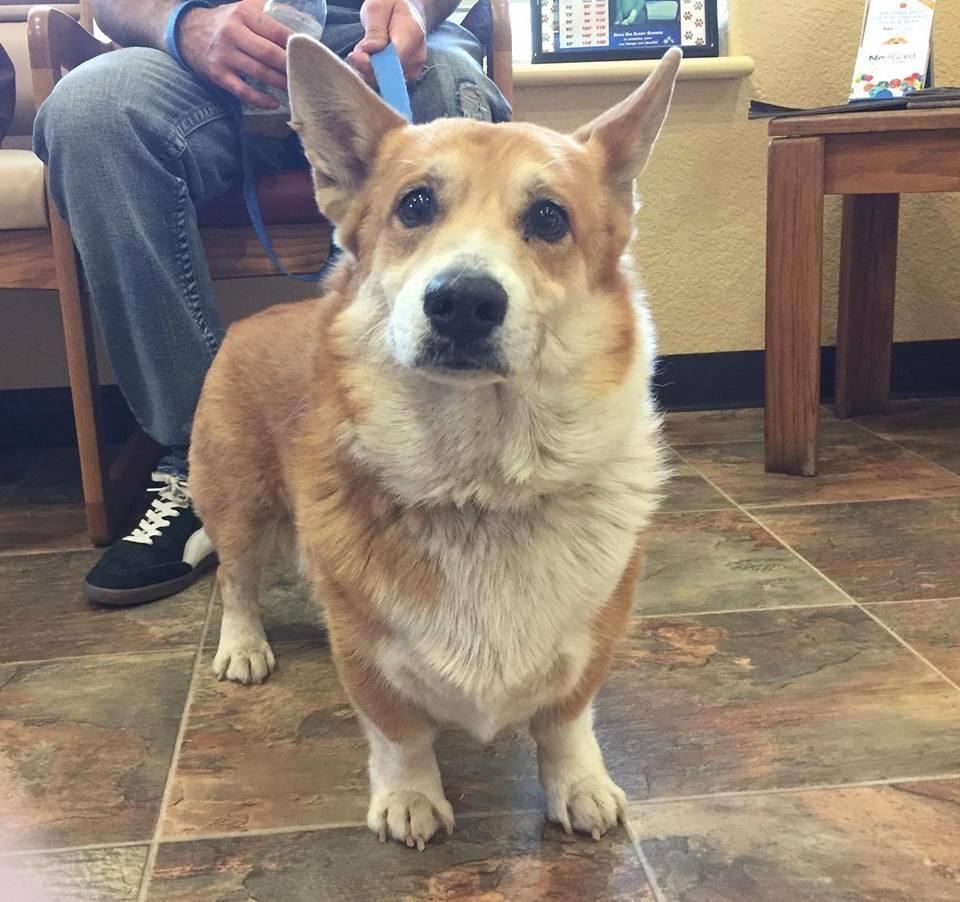
Know what your pet is protected against
Vaccines are one of the simplest ways to protect your dog or cat from serious, preventable illness. At Pleasant Valley Pet Clinic in Placerville, CA, we explain each vaccine in plain language so you can make confident decisions for your pet. This page covers what vaccines do, which ones are typically recommended, and how we tailor a schedule to your pet’s lifestyle.
Request an AppointmentHow Pet Vaccines Work
Vaccines prepare your pet’s immune system to recognize and fight specific diseases before they cause harm. Puppies and kittens need a series of boosters because the protection they receive from their mother fades at different rates. Adult pets need periodic boosters to keep their immunity strong. Our vaccination services are built around each pet’s age, health history, and exposure risk.
Core Vaccines for Dogs
Core vaccines are recommended for nearly every dog because the diseases they prevent are widespread, serious, or both.
- Rabies, which is fatal and required by law in California
- Distemper, a contagious viral disease affecting the respiratory, digestive, and nervous systems
- Parvovirus, a severe and often deadly intestinal illness, especially in puppies
- Adenovirus (canine hepatitis), a viral infection that can damage the liver
Core Vaccines for Cats
- Rabies, required by law and important for indoor and outdoor cats alike
- Feline viral rhinotracheitis, calicivirus, and panleukopenia (the FVRCP combination), which protect against common respiratory illness and a serious viral disease
- Feline leukemia, which is especially important for kittens and cats that spend time outdoors
Lifestyle Vaccines
Some vaccines are recommended based on how your pet lives. Dogs that board, groom, hike, attend training classes, or visit dog parks may benefit from added protection such as Bordetella, leptospirosis, Lyme, or canine influenza. You can read more about our rabies protocols as well. During your visit, we’ll talk through your pet’s routine and recommend only what makes sense for them.
Download Our Vaccine Information Sheet
Review the document below for more detail, then bring any questions to your next visit. Our team is happy to go over it with you.
What to Expect at a Vaccine Visit
Every vaccine visit starts with a quick check of your pet’s overall health, because pets should be well enough to respond properly to a vaccine. We’ll review your pet’s history, answer your questions, and give the recommended vaccines. Most pets go home the same day and return to normal activity quickly.
Possible Side Effects
Mild side effects are common and usually pass within a day or two. These can include slight tiredness, a lower appetite, or tenderness where the injection was given. Contact us right away if you notice facial swelling, repeated vomiting, hives, or trouble breathing after a vaccine.
Pet Vaccine Questions Answered
At what age should my puppy or kitten start vaccines?
Most puppies and kittens begin their vaccine series at around six to eight weeks of age, with boosters given every few weeks until they are about sixteen weeks old. Your veterinarian will set a schedule based on your pet’s health and history.
How often do adult pets need vaccine boosters?
It depends on the vaccine. Some are given every year, while others are given every three years once your pet has completed the initial series. Rabies is required by law, and we will let you know when each vaccine is due.
Do indoor cats really need vaccines?
Yes. Indoor cats can still be exposed to viruses brought in on shoes or clothing, and an indoor cat may slip outside unexpectedly. Rabies vaccination is also required by law, even for cats that stay indoors.
Can vaccines make my pet sick?
Serious reactions are uncommon. Some pets feel a little tired or sore for a day or so after vaccination. If you see swelling of the face, hives, vomiting, or difficulty breathing, call us or seek emergency care right away.
Which vaccines does my dog need if we hike, board, or visit dog parks?
Dogs that spend time around other dogs or in the outdoors may benefit from lifestyle vaccines such as Bordetella, leptospirosis, Lyme, or canine influenza. We will review your dog’s routine and recommend what fits.
What should I bring to my pet’s vaccine appointment?
Bring any previous vaccine records, including rabies certificates, along with a list of medications or supplements your pet takes. If you are new to our practice, completing our online forms ahead of time can speed up check-in.
What if my pet is overdue for vaccines?
Call us as soon as you can. Depending on how long it has been, your pet may only need a booster or may need to restart a series. We will help you get back on track without judgment.
Keep Your Pet Protected
Not sure if your pet is up to date? Call (530) 644-2424 or request a visit online, and our team will review your pet’s records and recommend the right next steps.